


You can spend a lot of money on a house and still make it harder to sell.
The work can be beautiful. The contractor can do everything right. But if the renovation takes away something buyers need or adds something they don’t want, it can work against you.
That’s an expensive thing to find out after the work is done.
If you’re thinking about selling your San Diego home, these are six projects I’d look at carefully before spending the money.

1. Turning a Bedroom Into a Permanent Office
Putting a desk in a spare bedroom is easy. Building an office that takes over the entire room is a different decision.
Wall-to-wall cabinetry. A built-in workstation. The closet removed to make more space. It might be perfect for your workday, but a buyer who needs that bedroom is adding up what it will cost to put it back.
And some buyers won’t bother. They’ll move on to a house that already has the rooms they need.
A missing closet doesn’t, by itself, settle whether a room legally qualifies as a bedroom. That needs to be checked before you change how the home is advertised. But the practical question is simpler: can someone comfortably use this room as a bedroom without hiring a contractor?
If you’re selling soon, keep your options open. A desk, good lighting, and some shelves can give you an office without making the next owner undo it.

2. Converting the Garage Without Thinking About Parking and Storage
A garage conversion can be a good investment. A properly permitted Jr. ADU may appeal to someone who wants space for a parent or potential rental income.
But “more living space” doesn’t automatically mean “more valuable.”
Where do the cars go? What about the bikes, surfboards, tools, and everything else people keep in a garage?
You may gain a separate living area and lose a buyer who needs secure parking and storage.
Before converting a garage, look at comparable homes that have actually sold with similar improvements. What did buyers pay? How much parking remained? Was the added space private and useful, or did it feel squeezed into the property?
If you’ll use the space for years, that has value to you. If you’re building it just to sell, the numbers need to stand on their own.

3. Removing the Only Bathtub
I understand the appeal of a large walk-in shower. But before you tear out the tub, check whether it’s the last one in the house.
Some buyers won’t care, but someone with a young child may walk into that newly renovated bathroom and immediately think about changing it.
You don’t need to design your home around every possible buyer. You should think twice, though, before removing a useful feature right before putting the house on the market.
If another bathroom has a tub, you have more room to work with. If it’s the only one, a simpler update may be enough.
See the latest buyer requests we’re hearing about throughout San Diego County, and find out if one sounds like your home.
Get the Latest Buyer Requests →
4. Renovating Past What Buyers Will Pay For
Your renovation budget doesn’t set your home’s value.
If comparable homes are selling around $2 million, spending $300,000 on a kitchen doesn’t automatically make yours worth $2.3 million. Buyers still have other houses to look at. They’re comparing the location, lot, views, layout, and overall condition. They aren’t reimbursing you for your receipts.
That doesn’t mean your home can’t sell above nearby properties. It means there needs to be a reason buyers recognize and are willing to pay for.
This gets expensive in the luxury market. Custom cabinetry, imported stone, and specialized appliances can run up a bill quickly. You may love every selection. The next owner may want something completely different.
Before starting a major remodel in Rancho Santa Fe, Encinitas, Carlsbad, or Del Mar, look at your actual competition. You might need substantial work. You might need paint, lighting, and a few repairs.
Those are very different budgets.
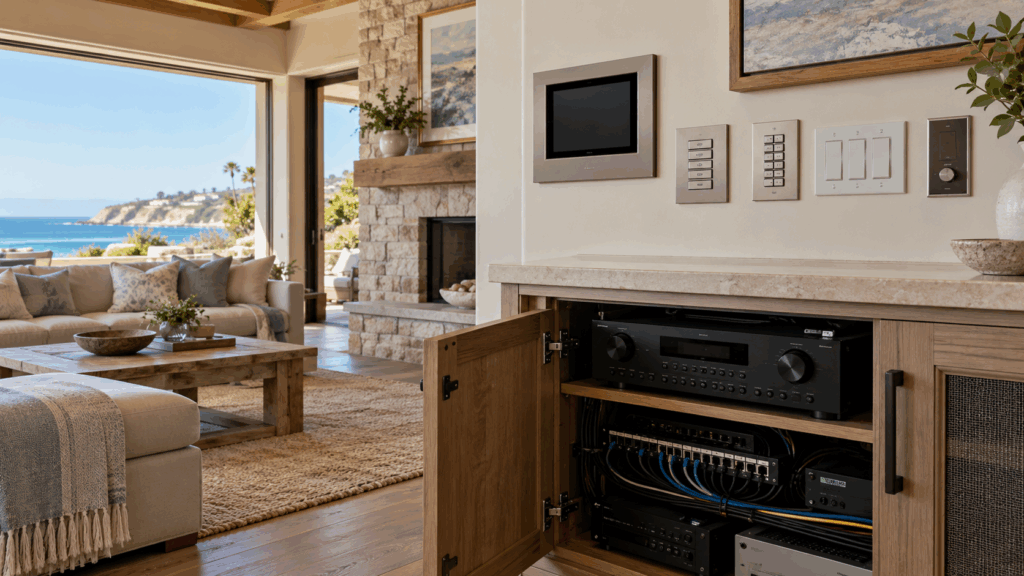
5. Adding Technology That Makes the House Harder to Use
A buyer should be able to turn on the lights without a tutorial.
Simple, reliable technology can be useful. Complicated systems with old components, subscriptions, and specialized service requirements can become another thing buyers worry about.
Does it still work? Who services it? What does that cost? Can the next owner use it without keeping all your accounts and equipment?
An expensive system doesn’t necessarily retain its value just because it’s built into the walls.
If you already have one, make sure it works. Gather the instructions, explain any fees, and figure out how to transfer control to the buyer.
If you’re about to sell, I’d be cautious about installing an elaborate new system. There may be more useful places to spend that money.
6. Adding Space Without the Required Permits
An extra room can look great until someone asks for the paperwork.
Then the questions start. Was the work approved? Were inspections completed? How should the space be described? Will it create an issue for the buyer’s lender or appraiser?
Unpermitted work doesn’t automatically stop a sale. But it can give buyers a problem they weren’t expecting—and a reason to ask for money, delay the transaction, or leave.
Known permit issues also need to be addressed in the disclosures. This isn’t something to brush aside because the work looks professionally done.
Gather the records before listing: permits, plans, inspection sign-offs, and whatever contractor documentation you have. If something is missing, find out what it means while there’s time to deal with it.
It’s much easier to work through those questions before you have a buyer waiting for answers.
What Is Worth Fixing Before You Sell?
Start with what’s broken, worn out, or likely to make a buyer question how the house has been maintained.
An active leak deserves attention. So does visible damage. A dark room may need better lighting. An overgrown entrance may need a day of cleanup.
Sometimes the work is fairly ordinary:
- Fixing known problems.
- Painting rooms that look tired.
- Cleaning up the landscaping.
- Removing excess furniture.
- Making small repairs you’ve stopped noticing.
None of that means you should replace every floor or repaint the entire house. Get specific about what needs doing and why.
Ask your agent to walk through the property before you start calling contractors. Look at the homes you’ll compete with. Decide which improvements are likely to help the sale and which are just spending.
Should You Remodel or Sell As-Is?
There isn’t one answer for every home.
A clean, functional kitchen may not need a full remodel. A heavily worn house may benefit from some work before buyers see it. And a property that buyers are likely to renovate anyway may be better sold without choosing new finishes for them.
Compare what you could reasonably sell for in its current condition with what you might net after the work. Include construction costs, the time involved, and the cost of holding the property while it’s being renovated.
A higher sale price isn’t much of a win if you spent more than the increase to get there.
Thinking About Selling in North County San Diego?
Before you commit to a renovation, let’s walk through the house.
I’ll help you look at what buyers will compare it with, what needs attention, and what you may be able to leave alone. If a project is unlikely to help your sale, you should know that before the deposit goes to the contractor.
If you’re considering selling in Carlsbad, Encinitas, Rancho Santa Fe, Solana Beach, Del Mar, or the surrounding coastal communities, schedule a seller consultation with LuxeAlly or call 858.630.8997.
See the latest buyer requests we’re hearing about throughout San Diego County, and find out if one sounds like your home.
Get the Latest Buyer Requests →
Jeff Toth
Founding Partner | LuxeAlly Real Estate
Results vary by property and market conditions. Confirm permit requirements and legal, tax, or construction questions with the appropriate qualified professionals.